Handling plumbing in multi-unit residences requires a thorough understanding of shared systems and diligent maintenance practices. Vertical stacks and interconnected drains necessitate regular inspections to prevent blockages and costly damages. Common issues such as toilet and dishwasher malfunctions, often due to wear or improper installation, need timely attention to minimize inconvenience. Routine maintenance, including seasonal checks and water pressure management, helps sustain system integrity. Effective communication with tenants, through notifications and feedback channels, limits disruption and fosters cooperation. Adhering to building codes, conducting emergency preparedness, and hiring qualified plumbing professionals guarantee compliance and effectiveness. Further insights unfold as we explore more aspects of this complex task.
Key Takeaways
- Conduct regular inspections to identify and address potential plumbing issues early in multi-unit residences. Engage professional plumbers with experience in multi-unit systems for complex plumbing challenges. Maintain open communication with tenants to promptly report and address plumbing problems. Ensure compliance with local building codes and obtain necessary permits for plumbing projects. Train maintenance staff on early signs of plumbing issues to enhance responsiveness and prevent damage.
Understanding Shared Plumbing Systems
In multi-unit residences, shared plumbing systems are integral to the building's infrastructure, necessitating a thorough understanding by both residents and property managers.
These systems, often complex in nature, require careful consideration of shared drains and plumbing layouts to guarantee efficient water distribution and waste removal. The shared nature of plumbing means that any issues can have widespread impacts, affecting multiple units simultaneously.
Understanding plumbing layouts is vital for effective management. In multi-unit buildings, the plumbing network typically includes vertical stacks, which serve as the main conduits for water supply and waste drainage.
Shared drains are designed to connect individual unit fixtures to these vertical stacks, facilitating the transport of waste away from the building. Awareness of this system allows residents to use plumbing responsibly and property managers to address any potential problems proactively.
Proper maintenance of shared plumbing systems is imperative to prevent disruptions. Regular inspections can help identify potential blockages in shared drains, while timely repairs can prevent minor issues from escalating into costly damages.
Common Plumbing Issues in Apartments
Numerous plumbing issues frequently arise in apartment settings due to the unique challenges posed by shared systems. One of the most common problems is toilet malfunctions, which can result from a variety of causes, including worn-out flappers, blocked pipes, or inefficient flushing mechanisms.
These issues can lead to water wastage or even flooding if not promptly addressed. Given the interconnected nature of plumbing in apartment buildings, a malfunction in one unit can often impact neighboring units, exacerbating the problem.
Another prevalent issue is related to dishwashers. Dishwasher issues often stem from improper installation, blocked drainage, or faulty water inlet valves.
Such problems can disrupt daily routines and lead to more significant water damage if leaks occur. The complexity of plumbing systems in apartments means that a single issue can sometimes affect multiple units, making timely identification and resolution vital.
Additionally, aging infrastructure in older buildings often contributes to recurring problems such as low water pressure and pipe corrosion.
These complications require careful attention to prevent widespread inconvenience for residents. Understanding these common issues is essential for both tenants and property managers to guarantee swift and effective resolution, minimizing the potential for damage and maintaining a comfortable living environment.
Regular Maintenance and Inspections
Conducting routine maintenance and inspections is essential for guaranteeing the efficient operation of plumbing systems in multi-unit residences.
Regular upkeep and vigilant oversight help prevent costly repairs and interruptions in service. Implementing seasonal checks and proactive strategies can mitigate potential issues before they escalate.
Routine inspections should focus on identifying early signs of wear and confirming system components function correctly. Here's a structured approach to regular maintenance:
Inspect Fixtures and Appliances: Regularly check sinks, toilets, showers, and water heaters for leaks and corrosion. This helps maintain water efficiency and prevents unexpected failures.
Evaluate Pipe Integrity****: Seasonal checks should include examining exposed pipes for signs of rust, cracks, or bulges, which can indicate potential weaknesses.
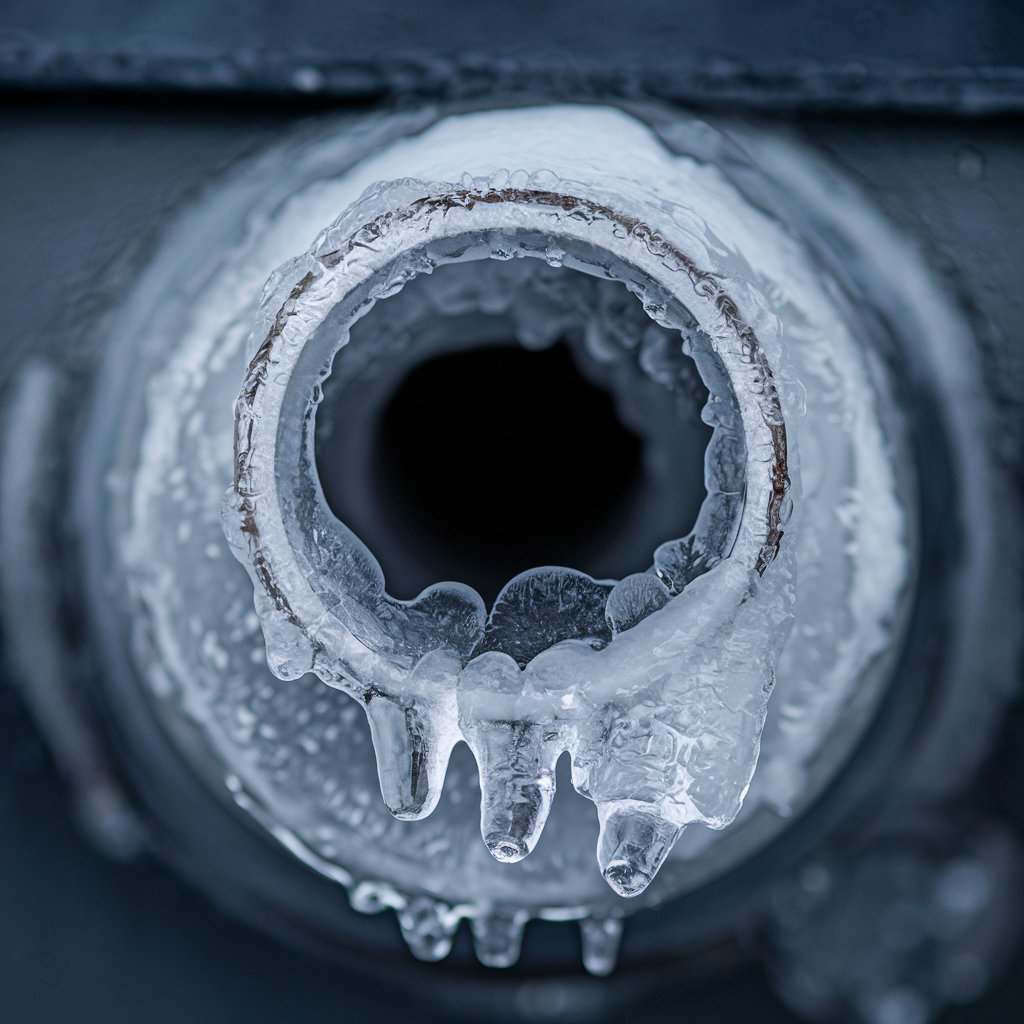
Special attention during temperature changes can preempt freezing and bursting.
Test Water Pressure: Consistent monitoring of water pressure guarantees that it remains within ideal ranges. Excessive pressure can strain plumbing systems, leading to leaks or burst pipes.
Clean Drainage Systems: Routine cleaning of drains and traps helps prevent blockages and maintain efficient water flow. This is particularly important in shared systems where debris accumulation is more frequent.
Addressing Leaks and Water Damage
While maintaining plumbing systems in multi-unit residences, promptly addressing leaks and water damage is vital to preserving structural integrity and preventing costly repairs. Identifying leaks early is a significant preventive measure that can avert substantial water damage and mold growth, which not only compromise building safety but also incur considerable financial burdens.
Regular inspections, moisture detection systems, and tenant education about spotting early signs of leaks can play a key role in mitigating risks.
In addition to these preventive measures, understanding insurance considerations is important for property managers and owners. Thorough insurance policies should cover water damage resulting from plumbing failures, while also providing liability protection.
It is advisable to review these policies periodically to verify they align with the building's specific needs and any changes in regulations. Moreover, establishing a clear protocol for reporting and addressing leaks quickly can help in minimizing damage and facilitating smooth insurance claims.
Engaging professional plumbing services for periodic assessments and repairs is also recommended, as they can provide expert insights and solutions tailored to multi-unit settings.
Ultimately, a proactive approach combining preventive strategies and sound insurance practices will safeguard the property and its occupants effectively.
" width="560" height="315" frameborder="0" allowfullscreen>
Managing Water Pressure Challenges
Addressing leaks and water damage is just one part of maintaining a robust plumbing system in multi-unit residences; managing water pressure challenges is another vital aspect that requires attention. Inadequate water pressure can lead to inefficient water usage and potential damage to plumbing fixtures. Implementing effective water pressure solutions is fundamental for guaranteeing peak system performance.
Here are key considerations:
Pressure Regulator Installation: A pressure regulator is essential for controlling water pressure within safe limits. Installing a regulator can prevent excessive pressure that may cause pipe bursts or leaks.
Periodic Pressure Testing: Regular testing of water pressure helps identify fluctuations that could signal underlying issues. This proactive measure guarantees timely interventions before problems escalate.
Pipe Inspection and Maintenance: Over time, mineral buildup and corrosion can affect pipe diameter, impacting water pressure. Regular inspection and maintenance of pipes can mitigate these effects and sustain consistent pressure.
Balancing System Design: Designing the plumbing system to distribute water evenly across all units is vital. This includes sizing pipes appropriately and considering the building's height, which affects pressure distribution.
Handling Clogs Efficiently
Effectively managing clogs in multi-unit residences, how can property managers assure seamless plumbing operations? Clogs are common issues in such environments, where multiple tenants utilize shared plumbing systems. To tackle these blockages efficiently, property managers need a strategic approach to drain cleaning, utilizing appropriate plumbing tools.
Regular maintenance is vital. Implementing a routine schedule for drain cleaning can prevent the accumulation of debris that typically leads to clogs. This proactive measure helps to maintain peak flow and reduces the likelihood of severe blockages that could disrupt the entire building's plumbing system.
When clogs do occur, having the right plumbing tools on hand is essential. Tools such as plungers, drain snakes, and hydro-jetting equipment are indispensable for effectively clearing blockages. A plunger is perfect for minor clogs, while a drain snake can navigate through pipes to remove more stubborn obstructions. For more challenging issues, hydro-jetting provides a high-pressure solution to clear pipes thoroughly.
Furthermore, training maintenance staff to recognize early signs of clogs and equipping them with these tools guarantees swift resolution. This preparedness not only minimizes downtime but also extends the longevity of the plumbing infrastructure, assuring efficient operations within multi-unit residences.
Communication With Tenants
Clear and consistent communication with tenants is essential for ensuring the smooth operation of plumbing systems in multi-unit residences. Effective communication not only helps to address current issues but also prevents potential problems by fostering a proactive environment.
Here are several strategies to enhance communication:
Regular Maintenance Notifications: Inform tenants about scheduled plumbing maintenance in advance. This allows them to prepare accordingly and reduces inconvenience.
Encourage Tenant Feedback: Create channels for tenants to report plumbing issues or provide feedback on maintenance services. Quick response to feedback can prevent minor issues from escalating.
Use Multiple Communication Channels****: Employ various platforms such as emails, text messages, or tenant portals to reach all residents effectively. Different tenants may prefer different modes of communication.
Organize Informational Meetings****: Regular meetings can provide updates on plumbing systems and maintenance plans, fostering transparency and trust.
Navigating Building Codes and Regulations
In addition to maintaining open lines of communication with tenants, understanding and adhering to building codes and regulations is crucial in managing plumbing systems in multi-unit residences. Proper navigation of these regulations guarantees safety, efficiency, and legal compliance within the property.
Building permits are fundamental when undertaking any significant plumbing project, as they signify that the planned work meets local governmental standards. Acquiring these permits requires thorough knowledge of the specific regulations applicable to the building's location.
Code compliance is another critical http://airmastershnji523.bearsfanteamshop.com/upgrading-your-plumbing-for-a-modern-kitchen aspect, dictating the materials, design, and installation methods permissible for plumbing systems. Ignoring these codes can result in costly fines, project delays, or even forced removal of completed work. Staying updated with the latest codes is essential, as regulations evolve to incorporate new technologies and safety measures.
Professional plumbers and property managers should frequently review local building codes to confirm that all plumbing installations and repairs align with current standards.
Moreover, collaborating with knowledgeable contractors who are well-versed in these codes can facilitate seamless project execution. This proactive approach minimizes potential legal disputes and enhances the overall reliability of the building's plumbing infrastructure, guaranteeing tenant satisfaction and safety.
Emergency Preparedness Strategies
An essential component of managing plumbing in multi-unit residences is implementing robust emergency preparedness strategies. These strategies are crucial to minimize damage and guarantee tenant safety during plumbing emergencies.
Effective preparedness involves several key actions:
Emergency Drills: Conduct regular emergency drills to familiarize tenants with procedures and guarantee they know how to respond promptly. This includes understanding evacuation routes and identifying designated safety zones.
Tenant Education: Equip tenants with essential knowledge through informational sessions or workshops. Topics should cover recognizing early signs of plumbing issues, such as leaks or unusual noises, and understanding the importance of reporting these promptly.
Clear Communication Channels: Establish and maintain clear communication channels between property management and tenants. This guarantees that tenants receive timely updates during emergencies and can report issues without delay.
Comprehensive Emergency Kits: Prepare emergency kits for each unit, containing essential items like flashlights, water shut-off tools, and contact information for emergency services. These kits should be easily accessible and regularly updated.
Hiring Qualified Plumbing Professionals
While emergency preparedness forms the backbone of effective plumbing management in multi-unit residences, the expertise of qualified plumbing professionals is equally essential. Confirming that plumbers possess the necessary qualifications and certifications is vital for maintaining the integrity of complex plumbing systems. Professional plumbers are equipped to handle varied challenges in multi-unit settings, ranging from routine maintenance to emergency repairs. Selecting individuals with the right credentials safeguards against liability issues and guarantees compliance with local regulations.
| Aspect | Details | |---------------------------|-------------------------------------------| | Plumber Qualifications| Verify education and hands-on experience. | | Plumbing Certifications| Confirm certifications are up-to-date. | | Experience | Prefer those with multi-unit expertise. | | Reputation | Check references and past client reviews. |
Plumber qualifications include a blend of academic training and practical experience, forming the foundation for skilled service delivery. Plumbing certifications, often issued by recognized bodies, provide assurance of adherence to industry standards and legal requirements. When hiring, prioritize those proficient in multi-unit systems, as these environments present unique challenges such as shared pipelines and complex waste systems.
Conclusion
In multi-unit residences, effective plumbing management resembles conducting a symphony, where each section must harmonize to prevent dissonance. Regular maintenance and adherence to building codes guarantee smooth operation, much like a conductor guiding musicians through a complex score. Addressing issues such as leaks and water pressure with precision and expertise avoids costly disruptions. Open communication with tenants and preparedness for emergencies further solidify the foundation, guaranteeing the reliability and longevity of the shared plumbing system.